Look, I'll be the last person to try and convince you that we're still living through the golden age of TV. I've spent enough time anxiously poring over broadcasters and streamers' slates looking for the next The Last of Us to know better. More shows are dropping every week than ever, but most of them are crap. That's a large part of why we launched The Intermission - to help distil the good stuff into one pure, delicious shot.
But as my editor Sam and I sat down to think of an interesting way to mark 25 years of TV since the turn of the century, we kept talking about how TV's sphere of influence has grown exponentially in that period, to have now become the most important art form in the world. At the time, we had just watched a small kitchen-sink drama shot in West Yorkshire drive political conversations all around the globe (Adolescence - maybe you've heard of it?). Just think about how ludicrous that would have sounded in the year 2000.
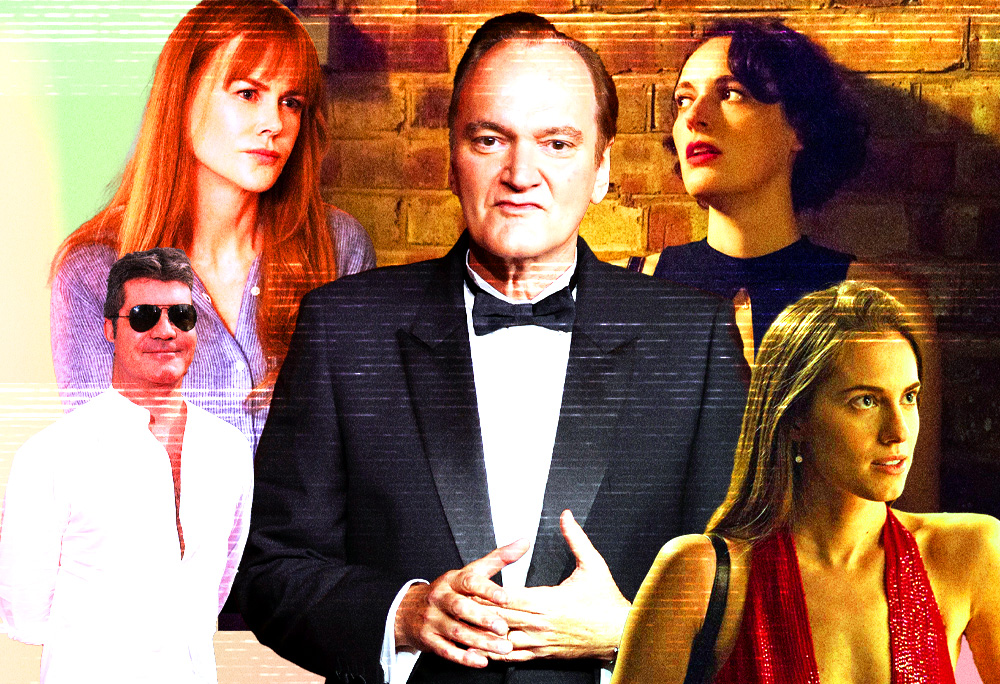
So we decided to try and tell the story of how we got here. We whittled it down to 25 moments that include the obvious game-changers, like when Netflix stopped popping DVDs through people's letterboxes and started streaming shows, and The Sopranos finale that made everyone think their TVs had broken. Then there are the less obvious ones, like Nicole Kidman creating her own genre and Drag Race UK helping to take the language of drag mainstream. As part of our reporting, we spoke to Kidman herself, Phoebe Waller-Bridge, Simon Cowell, Charlie Brooker, Greg Daniels, Davina McCall and loads more. But the last conversation I was expecting to have for this piece was with actual Quentin Tarantino.
If you weren't aware, Tarantino directed a two-part episode of CSI: Crime Scene Investigation - a procedural about forensic detectives in Las Vegas - in 2005, right after making Kill Bill Vol 2. We included this in the list because it was the beginning of a huge influx of movie directors coming to TV. I reached out to his publicist with an email that felt like dropping a coin down a well. I heard nothing for a long time.
And then, when I was on the tube home from a long dinner with friends, I got the email: "We have Quentin asking if you can do this today?" It was 1pm in LA, 9pm in London. I rushed home, splashed some cold water on my face and sat by the computer. At midnight, Tarantino rang.
Two things quickly became clear. The first was something I should have gleaned from Once Upon a Time... in Hollywood: Quentin Tarantino loves TV. "There was no career incentive," he said about making CSI, "I just liked the show, and so I thought it would be fun to do one." The next was that this is probably at the very bottom of the list of things people ask him about, and he was really happy to get into it.
I was uniquely positioned to have this conversation, because when the episode aired 20 years ago, I was a 14-year-old dork who rinsed CSI boxsets and Tarantino films with equal enthusiasm. Still, I found myself rambling when he asked me what I thought of the episode, searching for something smart and insightful to say, when a simple "I liked it" probably would have sufficed.
Tarantino and I spoke for half an hour (if you want to read more about it, the full feature is live here). In a moment that will haunt me for the rest of my career, the phone call ended when the line dropped out with Tarantino mid-point ("One thing you didn't mention though, which was a huge part of the episode..."). We couldn't reconnect, so I'll never know where he was going with that. But the thing that stuck with me from that call was his passion for a TV show that never comes close to any of the "best of" lists.
It was a reminder that the well-worn, old-school TV formats have their place, too. So, if you're stuck for something to watch this week, go have a look at "Grave Danger", the two-part finale of CSI season five (it's on Paramount+). The beauty is that you don't really need to have seen any of the other episodes - it's a contained story about a member of the team getting kidnapped and buried alive under ransom. And it's really very good - if you don't trust me, trust QT. "I love it," he said on our call. "I'm really, really proud of it."
GQ stories you may have missed:
Leonardo DiCaprio's One Battle After Another fit is the Letterboxd bro Halloween costume you're going to see everywhere
The greatest movie car chases, ranked
They don't make TV like Task any more
|
|
|
NETFLIX
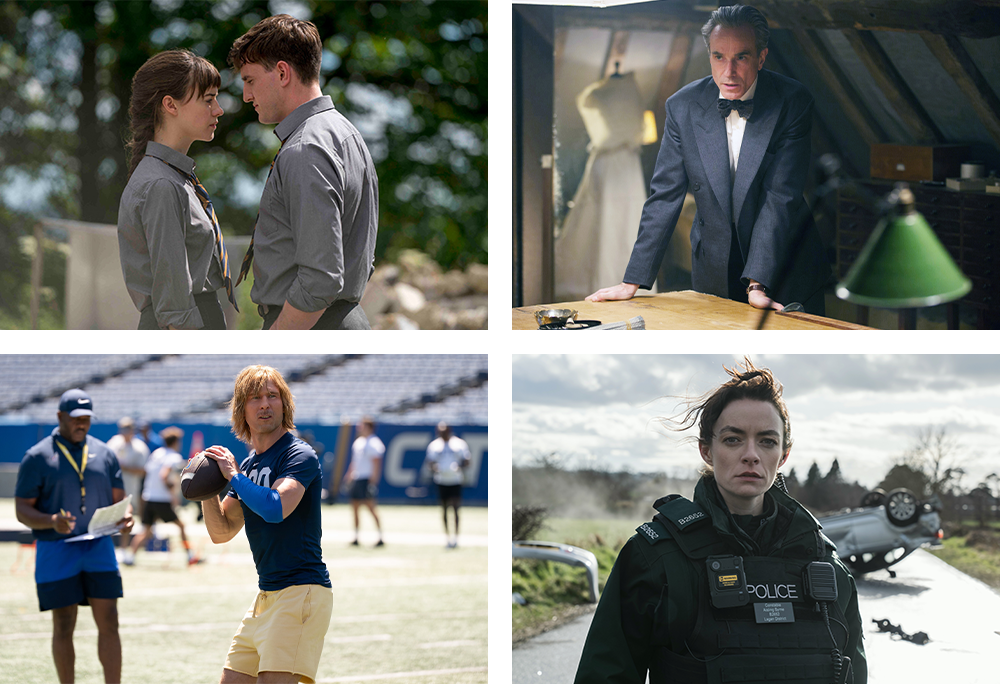
NORMAL PEOPLE
Irish teens can't get it together, and it's beautiful and devastating in equal measure.
AMAZON PRIME VIDEO
PHANTOM THREAD
Paul Thomas Anderson's funniest movie would make a fine chaser to One Battle After Another.
DISNEY +
CHAD POWERS
Glen Powell, the most charming leading man in Hollywood, comes to TV with this silly sports comedy.
BBC
BLUE LIGHTS
The third season of this bracing crime drama set in Northern Ireland has just landed.
|
|
|
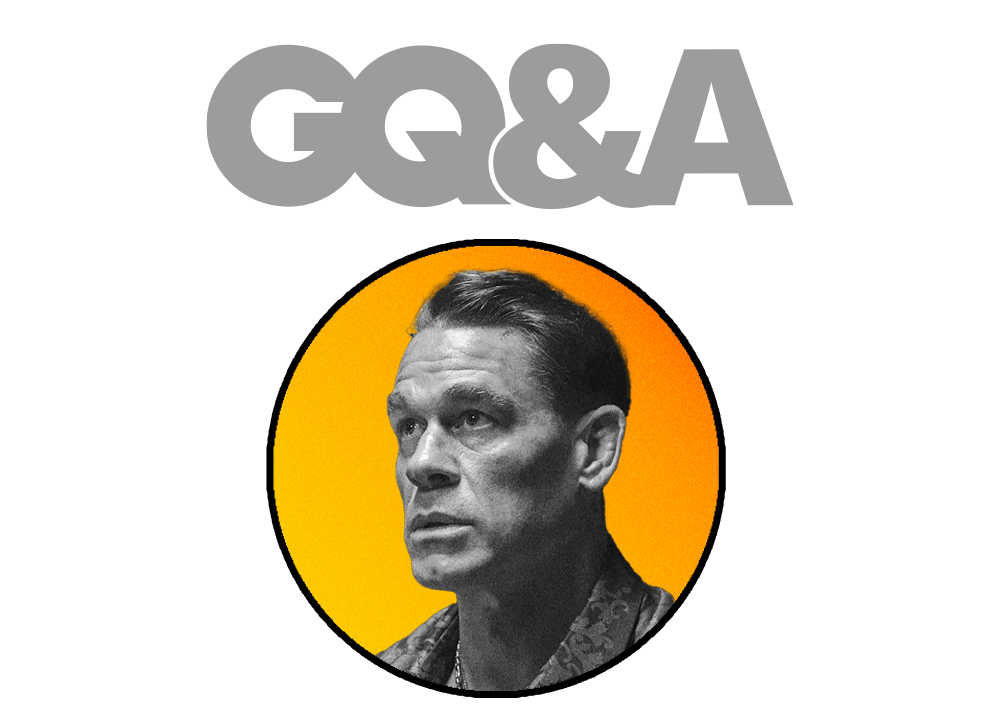
In a wide-ranging conversation, Peacemaker star John Cena spoke in depth about what he picked up from being subjected to direct audience feedback at WWE. "What I have learned from the WWE audience stretches far beyond professional capacity," said Cena. "I guess the core message that I can strip away to answer this question is: good work begets opportunity. Do good work. Put your heart and soul into good work." |
|
|
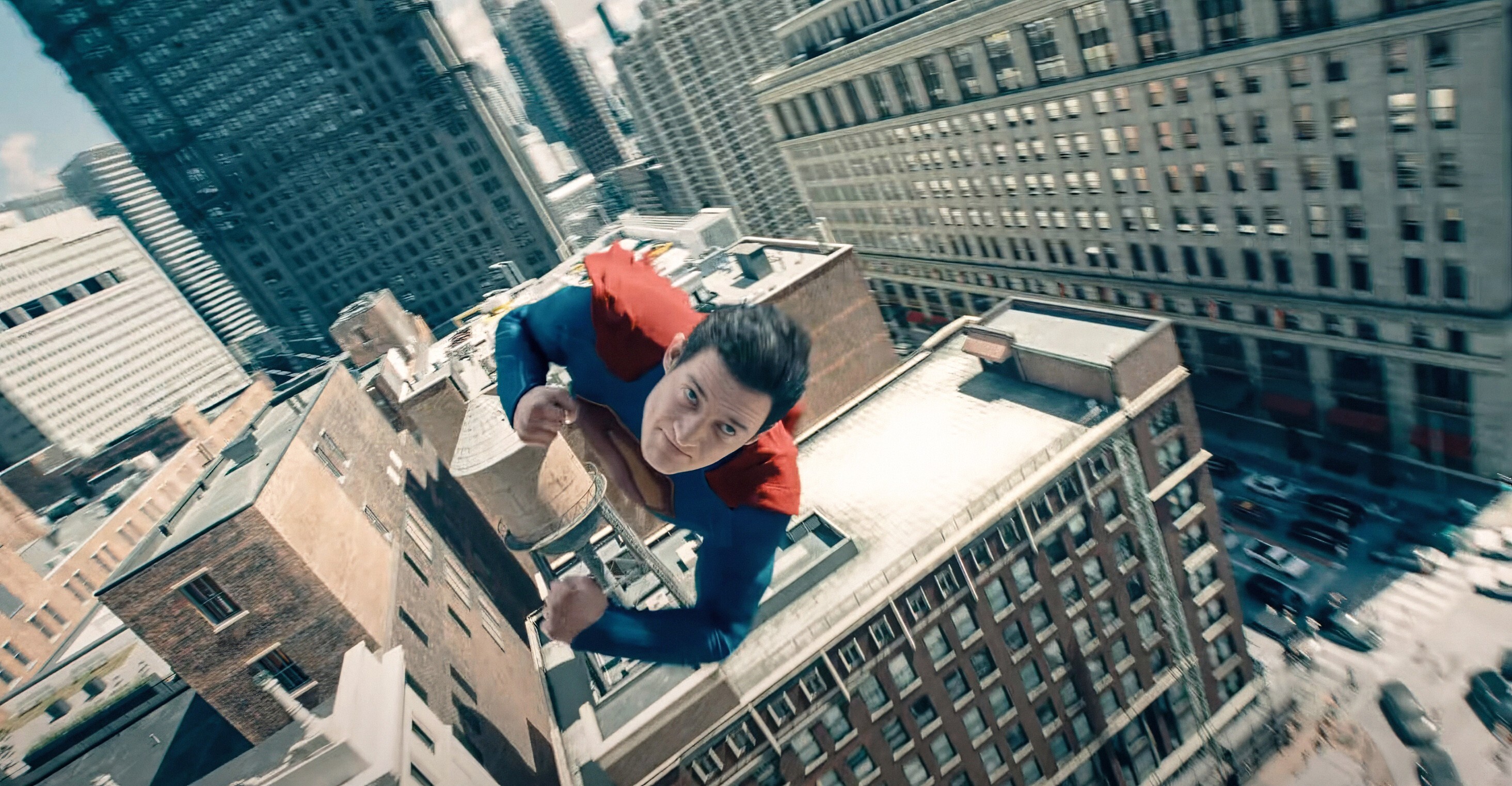
"Superman was the worst movie of the summer." |
JACK KING
GQ'S CULTURE WRITER |
|
|
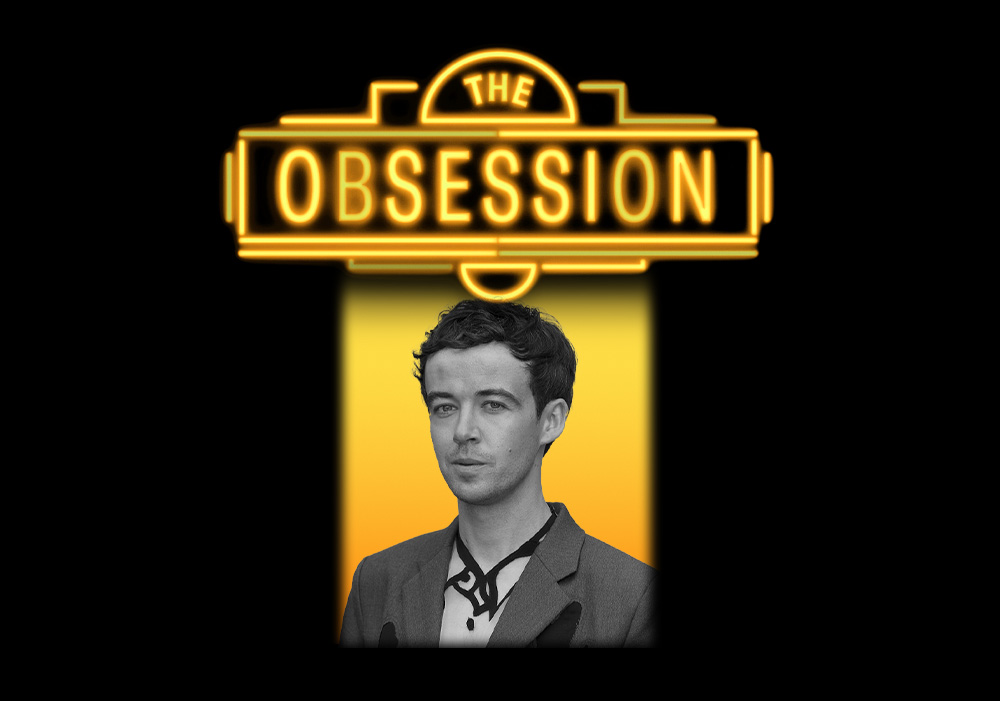
ALEX LAWTHER IS OBSESSED WITH... |
"Sentimental Value. That's my hot ticket.
I didn't cry during the film, I cried during the credits." |
|
|
|