Mild spoilers for Hamnet follow.
Last Sunday at the Golden Globes, Hamnet properly entered the Best Picture race. The film, from Chloé "Stop, They're Already Crying" Zhao, picked up the Best Motion Picture, Drama, award, setting up a nice two-way dogfight with Paul "Let Him Cook" Thomas Anderson's One Battle After Another as we chug towards the Academy Awards in March. What I did not expect was the outpouring of vitriol directed at the film after the ceremony. The criticism - in the press and on the hellscape that is Elon Musk's X - ranged from properly absurd ("Hamnet is an aesthetically and artistically irresponsible picture" read one viral tweet) to merited, but harsh. The Independent called the film - which is about William Shakespeare and his wife Agnes grappling with the death of a child - "artificial and manipulative fan fiction". On X, The New Yorker, re-sharing its review from November, asked, "Is Hamnet just highly effective grief porn?"
Pretty much every year, people turn on one of the acclaimed films in the awards race. It usually happens when the movie in question becomes a clear frontrunner, and some bored people in the media chase clicks with spicy contrarian takes. Sometimes, the ire is right on the money. Over the years, they've come for Best Picture nominees Green Book (fair), The Shape of Water (less so), Three Billboards Outside Ebbing, Missouri (OK, maybe they had a point)... and I get it. As a part-time hater myself, I know that it's fun to shit on things that people like. But if you're gonna do it, you have to be right. And, Hamnet, really? Hamnet! A sincere, pure-intentioned, beautifully acted and shot movie about grief, made by only the second woman to win the Best Director Oscar? A movie that, going by anecdotal evidence and the screening I sat through, works on every emotional level? Chances are if you're reading this and you've seen Hamnet, you cried at Hamnet. And I don't agree at all that this reaction is cheaply earned.
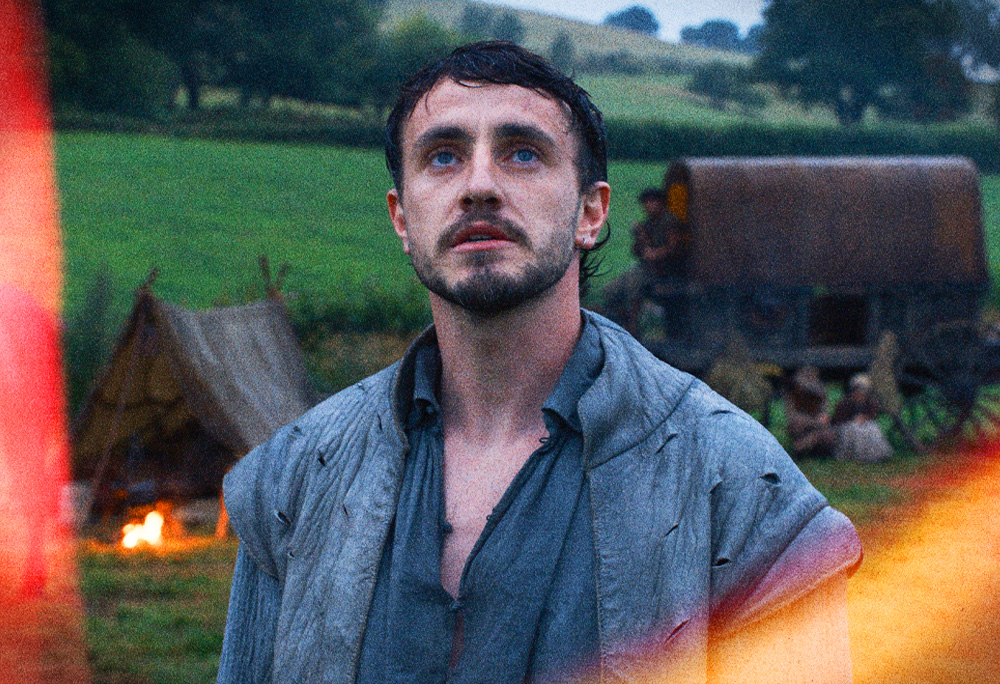
The film - an adaptation of Maggie O'Farrell's novel - begins with Will Shakespeare (played by Paul Mescal with a mischievous, laddish energy) courting his soon-to-be wife Agnes (the rightful Best Actress frontrunner Jessie Buckley). After a bit of back and forth, Agnes gets pregnant, and they get married against Shakespeare's family's wishes. After the birth of their first child, Susanna, Will moves away from their countryside home to pursue a career in theatre in London. Home alone, Agnes gives birth to twins and raises them largely on her own, until they both contract the plague and - I'm sorry, but I've already spoiled this bit - one of them dies. The back half of the film is all about how the two grieving parents deal with the loss in very different ways. Buckley's portrayal of someone going through the worst possible thing a parent could conceive of is absolutely staggering. There's one particularly unforgettable moment, right after Agnes' child dies, where she cradles them in her arms and lets out a guttural howl - it is the most singularly moving bit of acting I've seen in years.
The haters have said that the film makes some ham-fisted creative choices. And sure, some of the Easter egg-like references to Shakespeare's oeuvre feel a tad shoehorned in, but not to the degree that they impacted my enjoyment of the movie. The other criticism that has been levelled is that Hamnet is cynically crafted to get the waterworks going. And if it was just two hours of Jessie Buckley wailing, then I might agree - a child dying is not necessarily a story in itself. But the great tension in the film is the chasm that grows between husband and wife after the fact, with William's apparent inability to grieve as Agnes does - with complete abandon and open devastation. Instead, he goes back to work in London, leaving her on her own to deal with everything. As time passes, she begins to hate him, believing him to be totally heartless.
The film's ending, though, is where the tears are truly earned. I don't want to get too deep into spoiler territory, but I'll just put it this way - in the deep haze of grief, Agnes and Will find their way back to each other. At a staging of Hamlet - we're told at the beginning of the movie that Hamnet and Hamlet were interchangeable names in that era - the couple quietly (well, as quietly as Agnes can manage) begin to come to terms with what has happened, and to understand how it has impacted one another. Emotionally speaking, it's like being run over by a truck, which then keeps on reversing over you until you're nothing but mush and liquid.
I can absolutely accept that the movie does not work for some people. That's just par for the course with art. But I can't believe that this movie was made by a cynic who wants to turn your sadness into awards season glory. Ignore the noise. We can find another Oscars villain to hate next week.
GQ stories you might have missed:
7 actually good (and chaotic) things that happened at the Golden Globes 2026
Ralph Fiennes is doing his best work in 28 Years Later: The Bone Temple
How realistic are Heated Rivalry's sex scenes? Well, we ranked them
|
|
|
NETFLIX
LEFT-HANDED GIRL
Oscar winner Sean Baker (of The Florida Project and Anora) collaborates with Taiwanese director Shih-Ching Tsou on this excellent drama about a single mother and her two daughters running a market stall in Taipei.
BBC IPLAYER
INDUSTRY
The banking drama has had a hard reset for season four, and it's nuttier and more entertaining than ever.
MUBI
SORRY, BABY
Julia Roberts shouted out this movie at the Golden Globes, so now I will, too. Writer/director/star Eva Victor is brilliant as an isolated literature professor grappling with a horrific event in her past.
SKY/NOW
HEATED RIVALRY
Maybe you've heard of this one? Two closeted ice hockey players on opposing teams fall in love and... well, you know the rest. |
|
|
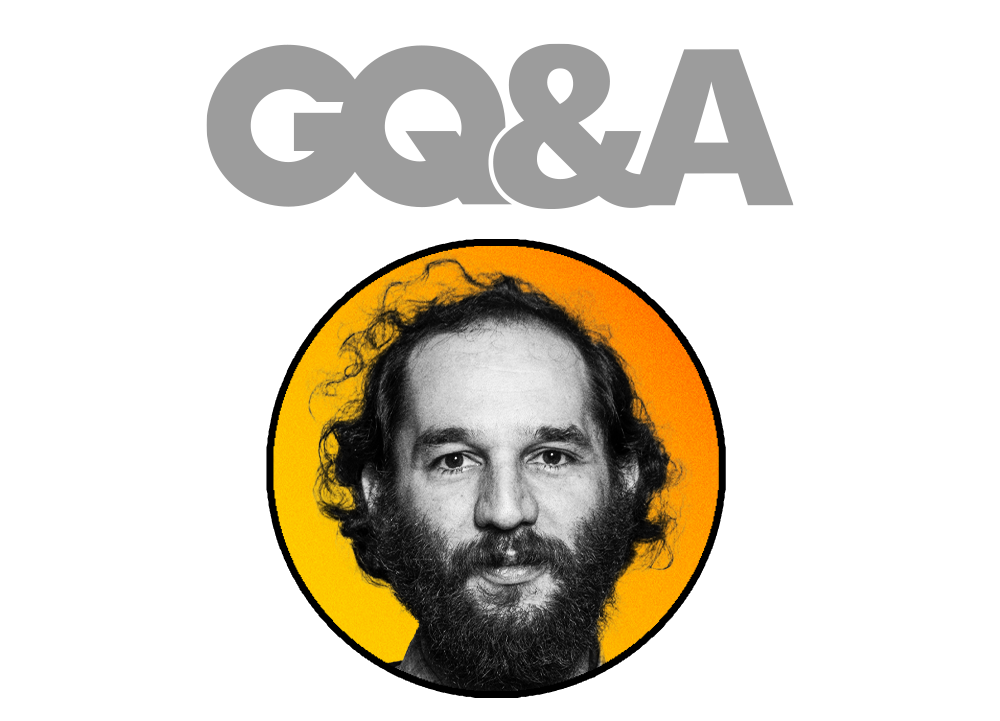
I wasn't completely convinced by the Marty Supreme ending when I first saw it, but hearing Josh Safdie talk about it has made me love it. (Warning: spoilers ahead). As he tells it, Marty's breakdown upon seeing his child for the first time is all about that shift in your life, when everything ceases to be just about you. "That feeling when I met my first daughter, it was a cosmic feeling. We were all born, and you're reminded in some eternal way of your own beginning," Safdie told GQ. "But something much stronger and more powerful is that you're reminded that it's not about you. Now it's about your future and something that's going to live beyond you. I think the movie is about change and about how dreams are probably the strongest agents of change. Having a kid is like - [Marty's] one dream had to end so the other could begin. It's seeing [Marty] actually go from boy to man."
|
|
|
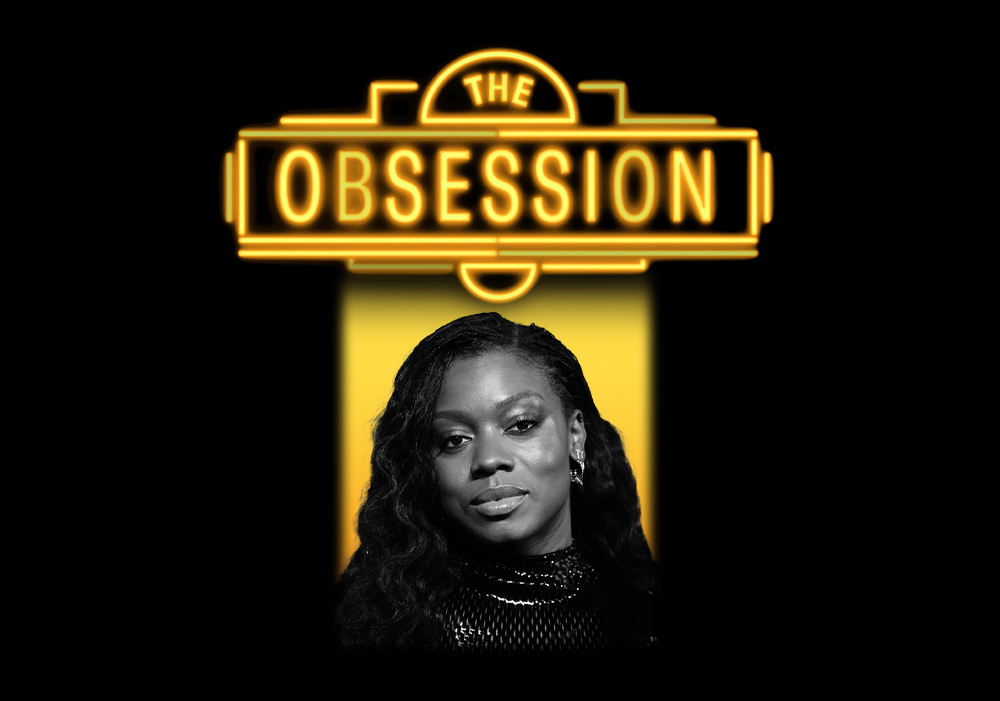
NIA DACOSTA IS OBSESSED WITH... HEATED RIVALRY |
"I think that show is brilliant in its own way, and it's nice to have a show about yearning and communicating sex and romance, that feels quite real." |
|
|
|