|
Spots with no under-seat storage. Seats that don't recline. There are many potential annoyances that can happen if you're not savvy about where you sit on a plane.
Ultimately, the best seat depends on your needs, as well as the aircraft you're flying. A person who sleeps the entire flight may be thrown off by an aisle seat with seatmates waking them up to use the lavatory; someone who loves to get up and stretch may feel trapped by the window.
Whether you're looking for the best seat to increase your chances of a smooth ride, get some shut-eye, or stretch your legs, we'll tell you what to look out for here.
|
|
|
This rare, limited-time travel credit card offer is turning heads
If you've been on the fence about getting a travel card, but are itching to plan more trips, then this just might be the perfect card for you...
Earn a rare welcome bonus to use towards travel with this incredible card's limited time offer. Take advantage while you can because it might be gone soon!
|
|
Best seat for minimizing the effects of turbulence
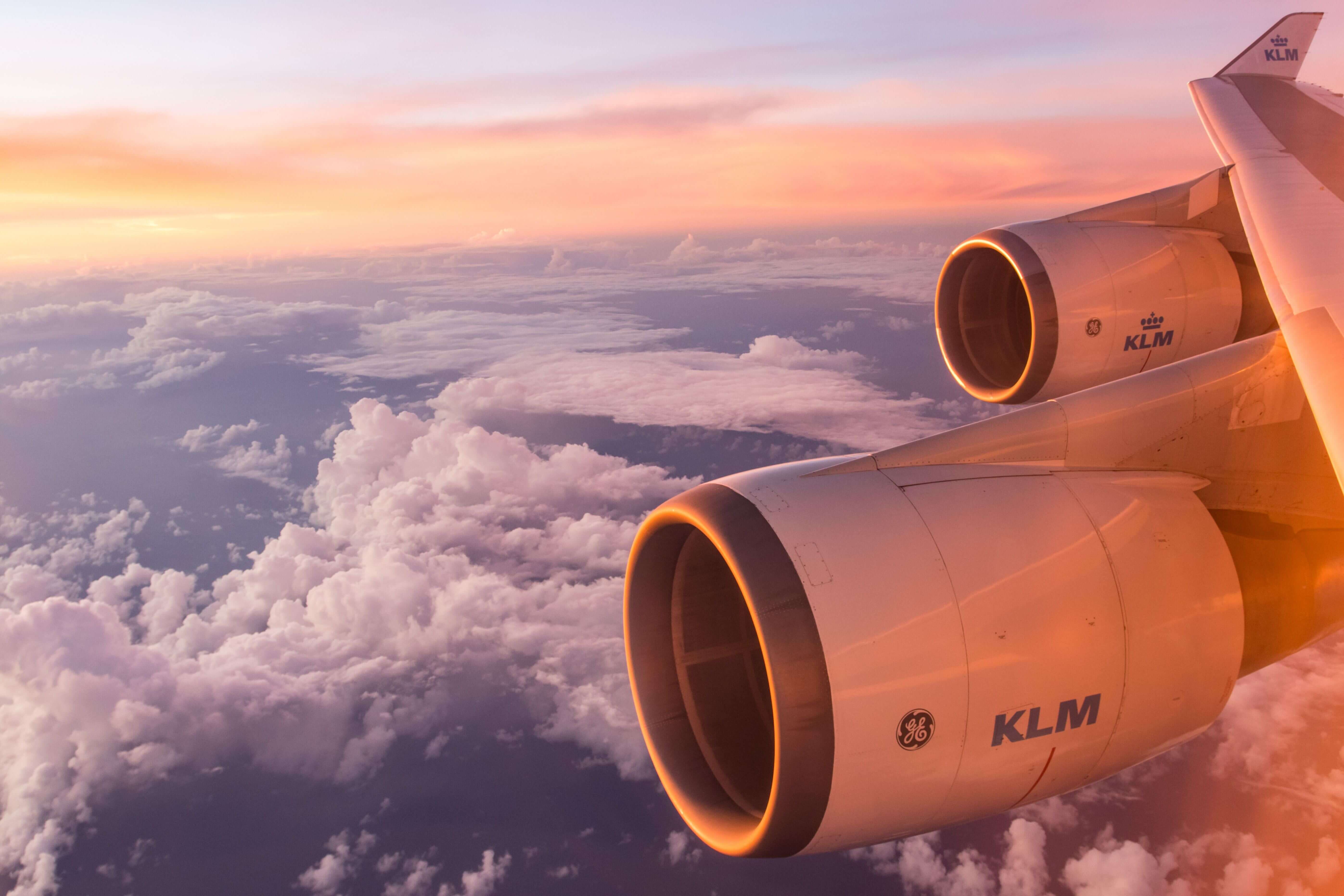
A bumpy ride can range from uncomfortable to downright unsettling, and different parts of the plane feel turbulence more intensely than others. "The smoothest place to sit is over the wings," says commercial pilot Patrick Smith, host of AskThePilot.com. These seats are close to the plane's center of lift and gravity. "The roughest spot is usually the far aft. In the rearmost rows, closest to the tail, the knocking and swaying is more pronounced."
|
|
Best seat for peace and quiet
Noise is bound to happen. The sound of the seatbelt sign dinging, a fussy baby, conversations among travelers. Some of it you can't avoid, but certain seats can be more peaceful than others.
Remove yourself from the hustle and bustle of passengers and hard-working staff by steering clear of seats near the galleys and lavatories. Seats closer to the front of the plane are slightly quieter than seats over the wing or in the back, depending on where the engines are located. If you really want to avoid the sound of the drink cart and any in-aisle chatter, pick a window seat.
|
|
Best seat for legroom
Legroom on planes is measured in seat pitch-the distance between a point on one seat and the same point on the seat directly in front of it. In comparison to the average seat pitch of the 1960s, which was 35 inches, some airlines (such as Spirit) have reduced their pitch to as low as 28 inches. On the higher end, airlines such as JetBlue and Southwest offer 32 inches.
Looking for optimal legroom? Not just any economy seat will do. Depending on the airline and plane configuration, bulkhead seats (located in the first row after a dividing wall or galley) typically have the most legroom, though you won't have access to underseat storage. Exit row seats have more legroom than the average seat; however, not all exit row seats recline.
|
|
Best seat for sleeping
If you're someone who can fall asleep on a plane, you should optimize your snooze by choosing the best seat for it. (Alternatively, if you need to sleep and can't doze off just anywhere, it's just as important to choose the right seat.)
A bulkhead seat is ideal-there's no one reclining their seat in front of you. Window seats are great if you like to lean to one side while sleeping. Avoid seats by the toilets, galley, and aisle, where your neighbors may disturb your slumber when they get up to stretch or use the lavatory.
|
|
|

Transform your travel adventures with Babbel
Lost in Translation? Not anymore! Babbel equips you with the essential communication skills you need to confidently navigate any situation, from asking for directions in Rome to ordering tapas in Barcelona. Over 15 million people trust Babbel's lessons, designed by over 200 language experts, to teach them the skills they'll actually use.
Start your Babbel subscription with 55% off and unlock a world of possibilities this fall.
|
|
Best seat without a seatmate
Your best chance of sitting next to an empty seat is toward the back of the plane. Most travelers choose seats in the front in an aisle or window seat, while the last seats to be chosen are typically the middle seats in the back of the plane.
In a widebody aircraft with two aisles, sit in the center section of seats as opposed to the seats in the side sections. You could also pay the fee for an extra-legroom seat. Because they're more expensive, you're less likely to have a seatmate.
If you're traveling as a couple, book both the aisle and the window seat. A single passenger is far less likely to select that middle seat. If someone does take the middle seat, it'll be pretty easy to convince them to swap with one of you so you can sit next to each other.
|
|
Best seat for a tight connection
The best choice for a tight connection is the aisle seat closest to the front. You'll avoid the lines of people trying to get off the plane and all the commotion and time involved with people pulling things down from the overhead compartments.
|
|
Best seat for a larger person
Larger passengers will find an aisle seat to be the most comfortable. They have just one person seated next to them should the middle seat be taken, and on some planes it's possible to raise the aisle armrest to make more room.
Some airlines are better than others for ensuring larger passengers receive enough space to sit comfortably. Air Canada permits larger passengers to request an extra seat free of charge for travel within Canada. Delta Air Lines prioritizes seating larger passengers next to empty seats when available. JetBlue offers all passengers its Even More Space seats with 38-inch pitch starting as low as $10 (depending on the route). And most airlines let a single passenger purchase two adjacent seats.
|
|
Best seats for families
Family travel is no easy feat, so putting effort into choosing the best seats for your crew beforehand can make things smoother in the skies. If you're flying with an infant, you should request a bassinet/skycot seat. However, these seats are in demand since they're situated in the bulkhead, so make the request with the airline in advance.
In general, families may like to sit close to the front because it can both offer extra legroom (if seated in the bulkhead) and the ability to get on/off the aircraft with carry-on luggage easier. On the other hand, families may also like sitting in the very back because it's next to the lavatory.
|
|
How to figure out the best seat on your specific flight
Knowing whether you want the aisle, middle, or window, at the front of the plane, over the wing, or near the rear is only half the battle. Each aircraft is different, and some seats may take you by surprise. For instance, seats in front of the exit row may not recline.
To save yourself from a bummer of a seat selection, scan SeatGuru to get the specs for your specific flight. You can review each seat on the aircraft and see the pros and cons of each seat on that particular plane by simply adding your route or flight number into the search function.
Also, you'll want to learn how to read an airline seat map and know what to look out for when choosing your seat.
Head to our guide for how to do it.
|
|
How to get the seat you want
You've determined which seat you want. Now how do you successfully get it?
Upgrade to main economy
Basic economy fares typically don't allow you to select your seat at booking (though some allow you to do so at check-in). If you want to be certain you'll get the exact seat you need, it may be worthwhile to upgrade to a main economy fare so you can select your seat when you book.
Book early
Booking early also helps ensure you get the seat you want, as the earlier you book, the more options will be available. Some airlines or fare classes don't allow you to pre-select your seat while others charge extra to select seats at booking.
Pay extra
It's a pay-to-play world in the skies, and if you want to sleep, stretch out your legs, lean against the window, or get off the plane first, you may need to spend a bit to pick your seat beforehand.
Check in early
If the airline or fare doesn't allow you to select the seat you want when you book, check in online right at 24 hours before departure. At that point, you'll likely be allowed to select seats that you couldn't before or that weren't originally available for selection, like frequent flyer seats that open up when that traveler upgrades.
If you're not able to check in online or snag the seat you want, get to the airport early and ask at check-in what seats best suit your needs. And when asking, be specific, patient, and nice.
Look for upgrades
Online auctions can help you score a seat in business class or premium economy on an economy budget. Typically, if you are eligible to bid on an upgrade you'll receive an email from the airline with a link to the bidding site.
You can also check Plusgrade, which runs auctions for dozens of airlines. The airline often provides guidance on how much to bid to increase your chances of winning. You'll enter your bid and payment info; if you win, you'll automatically be charged and notified prior to check-in.
To upgrade with points or miles, try ExpertFlyer. This subscription-based website and app searches 90 airlines for awards or upgrade availability on your flight. If an upgraded seat opens up on your flight and can be booked using miles, ExpertFlyer will notify you via email.
You can also ask at check-in; sometimes if there are unsold premium seats still available closer to departure you can upgrade for as little as $100-$300.
|
|
|
Share with a fellow travel lover by forwarding to a friend.
|
|
|
Get the app today 
|
|
|