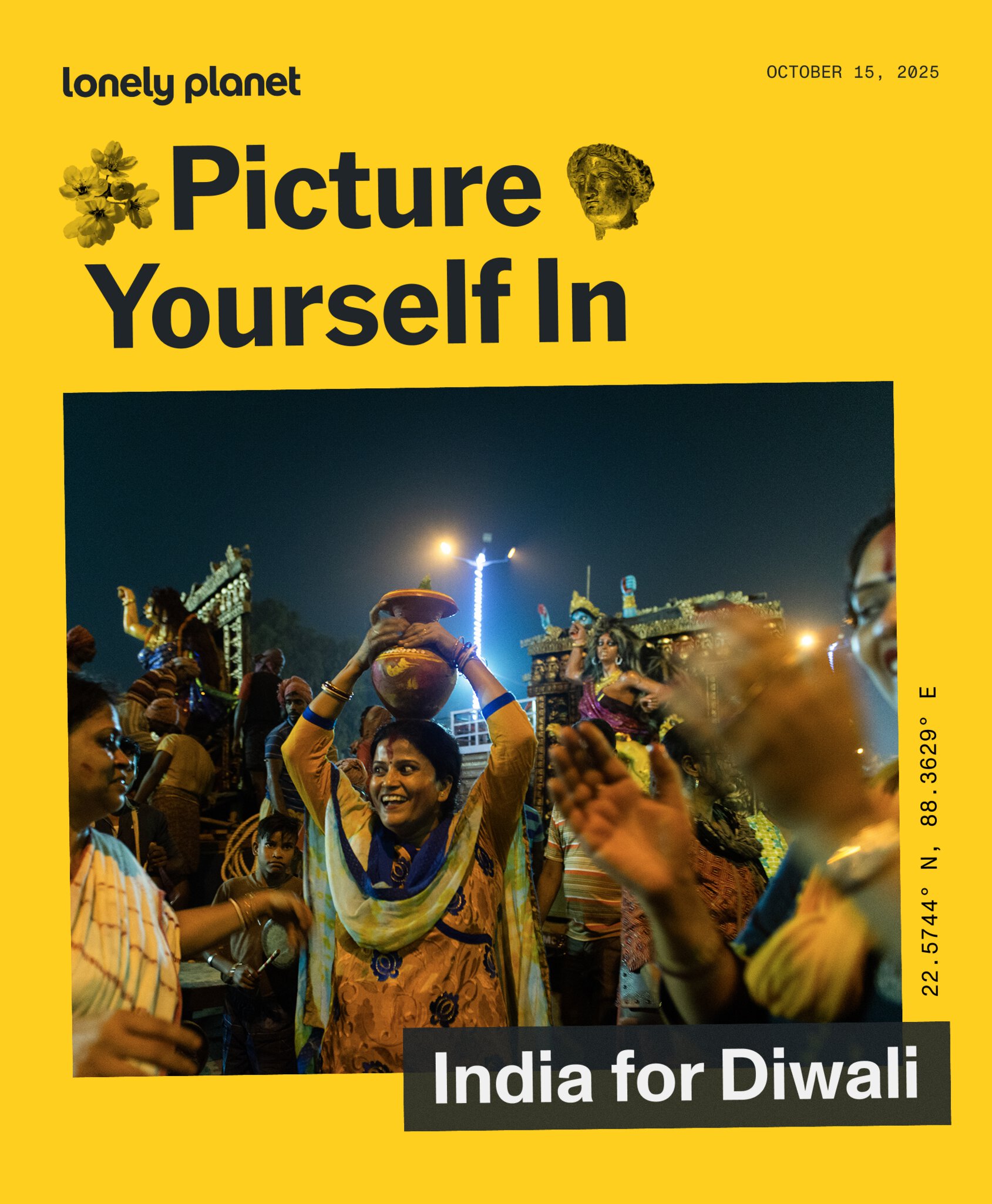
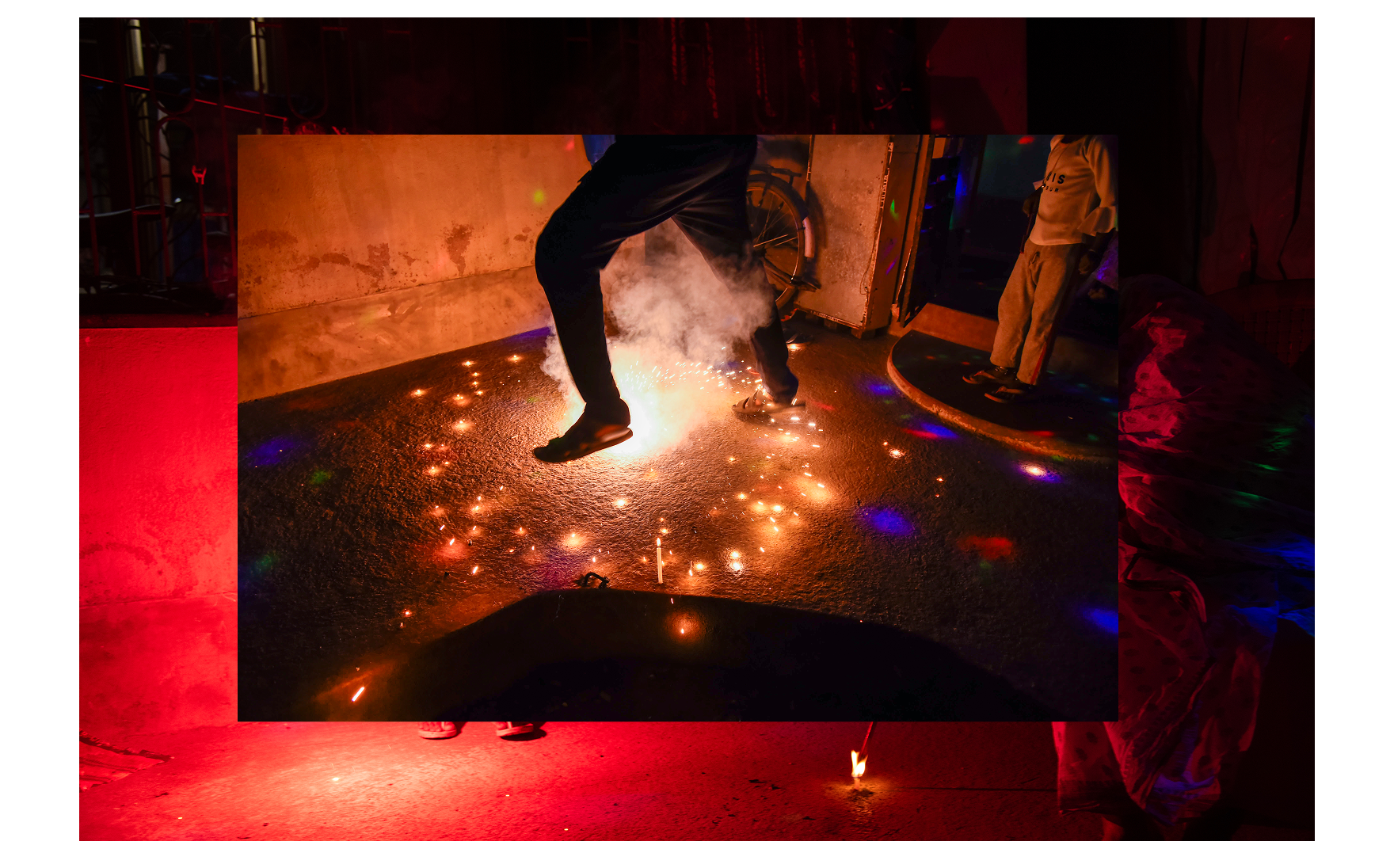
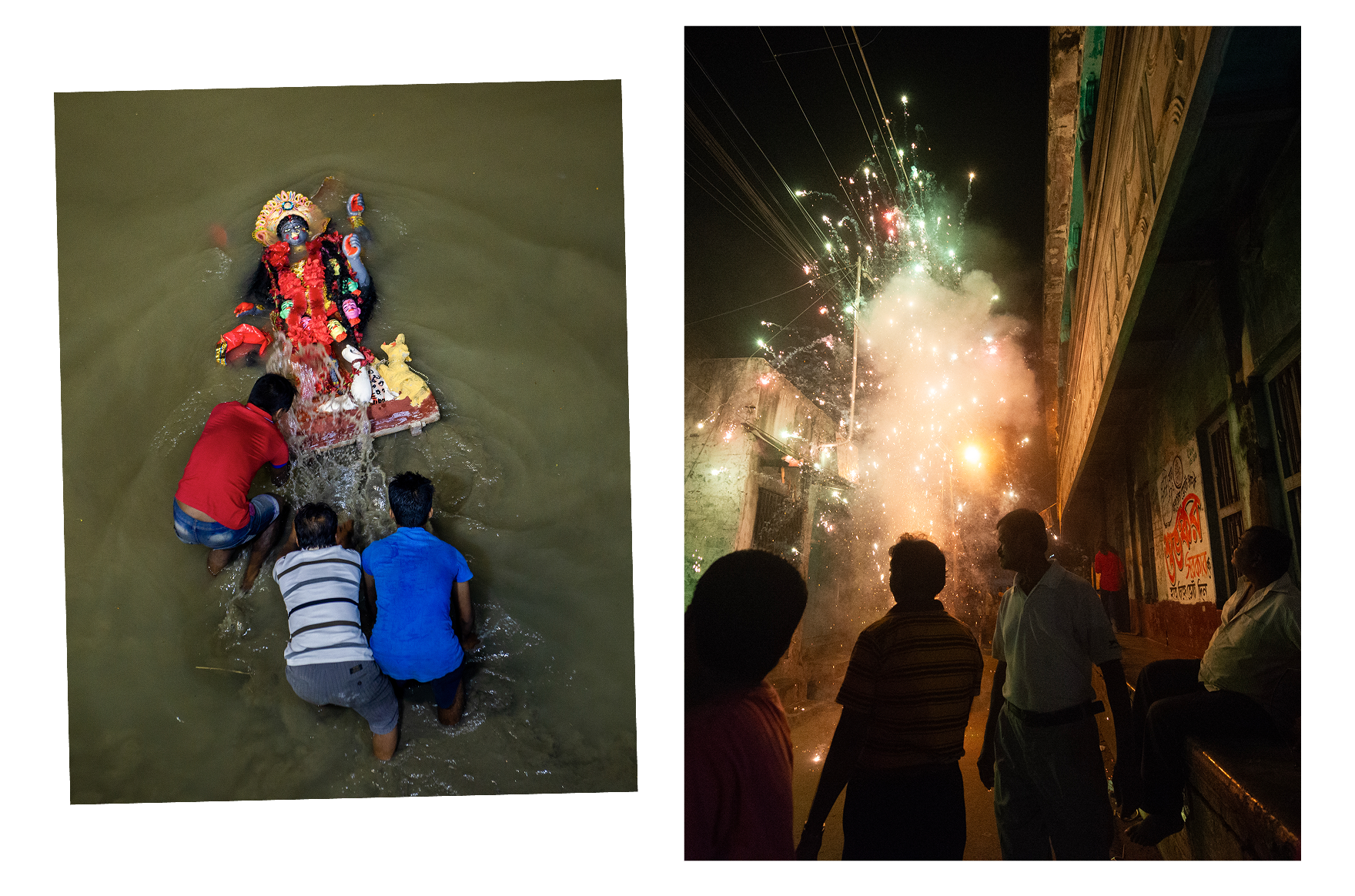
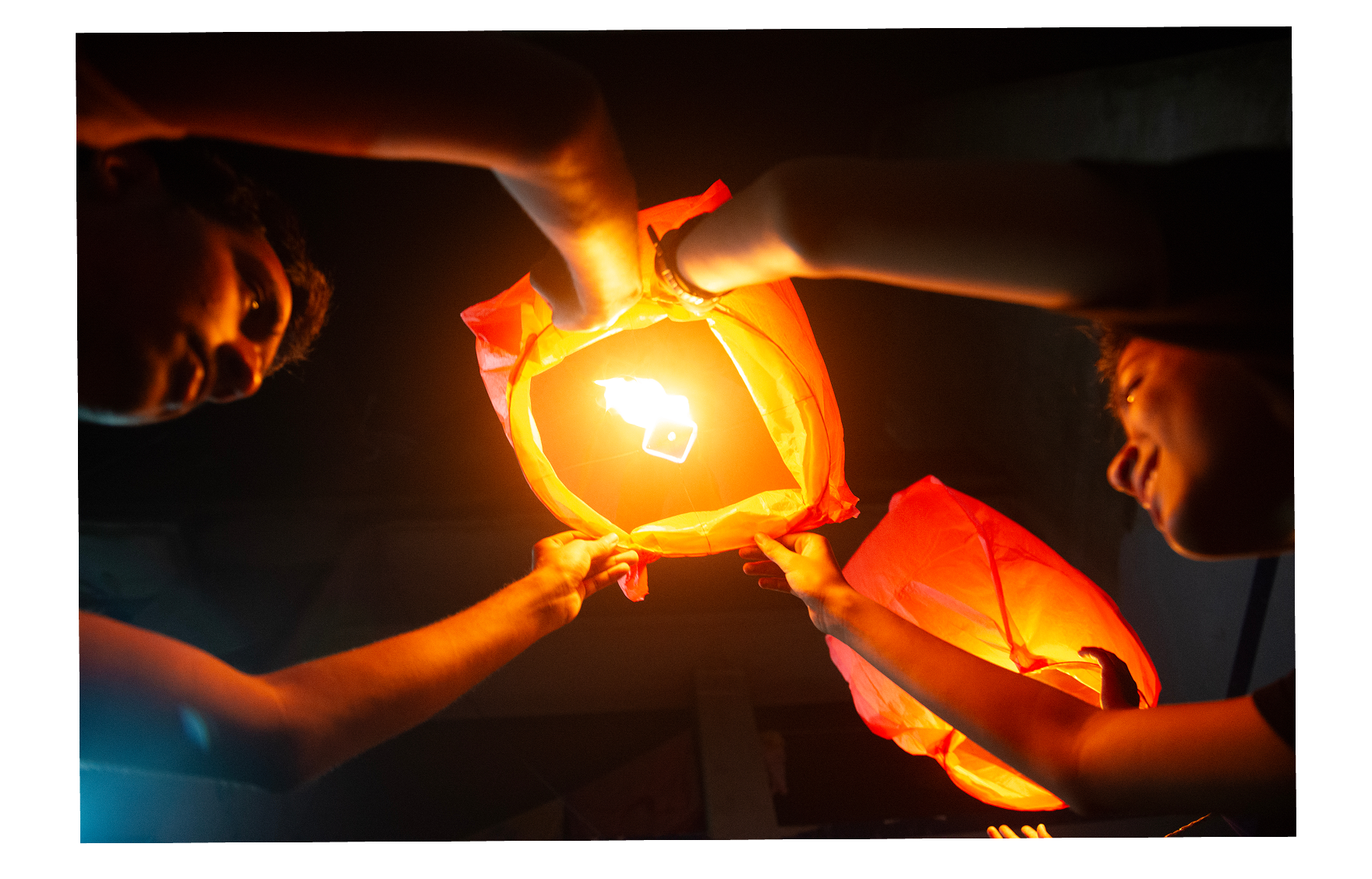
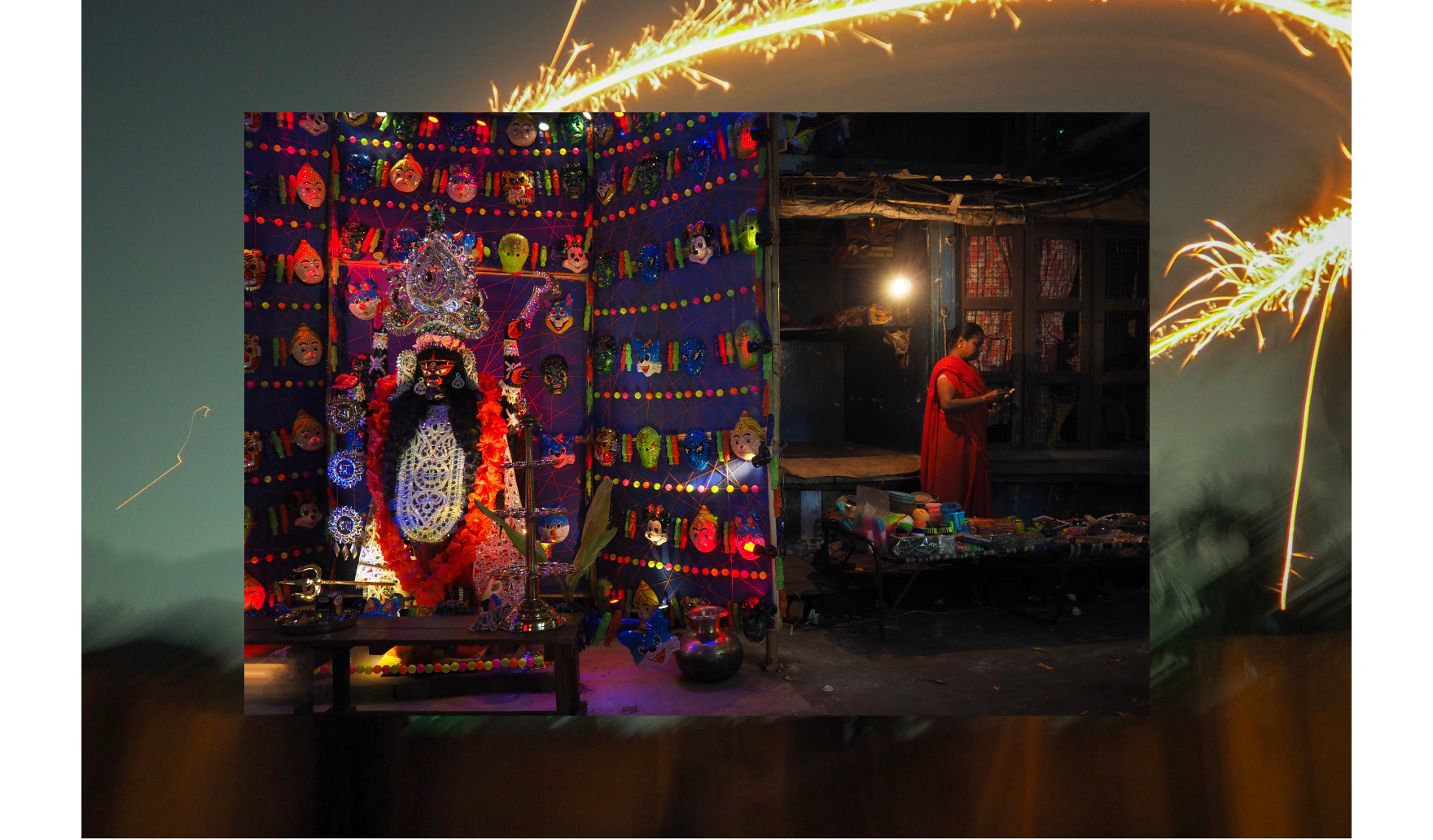
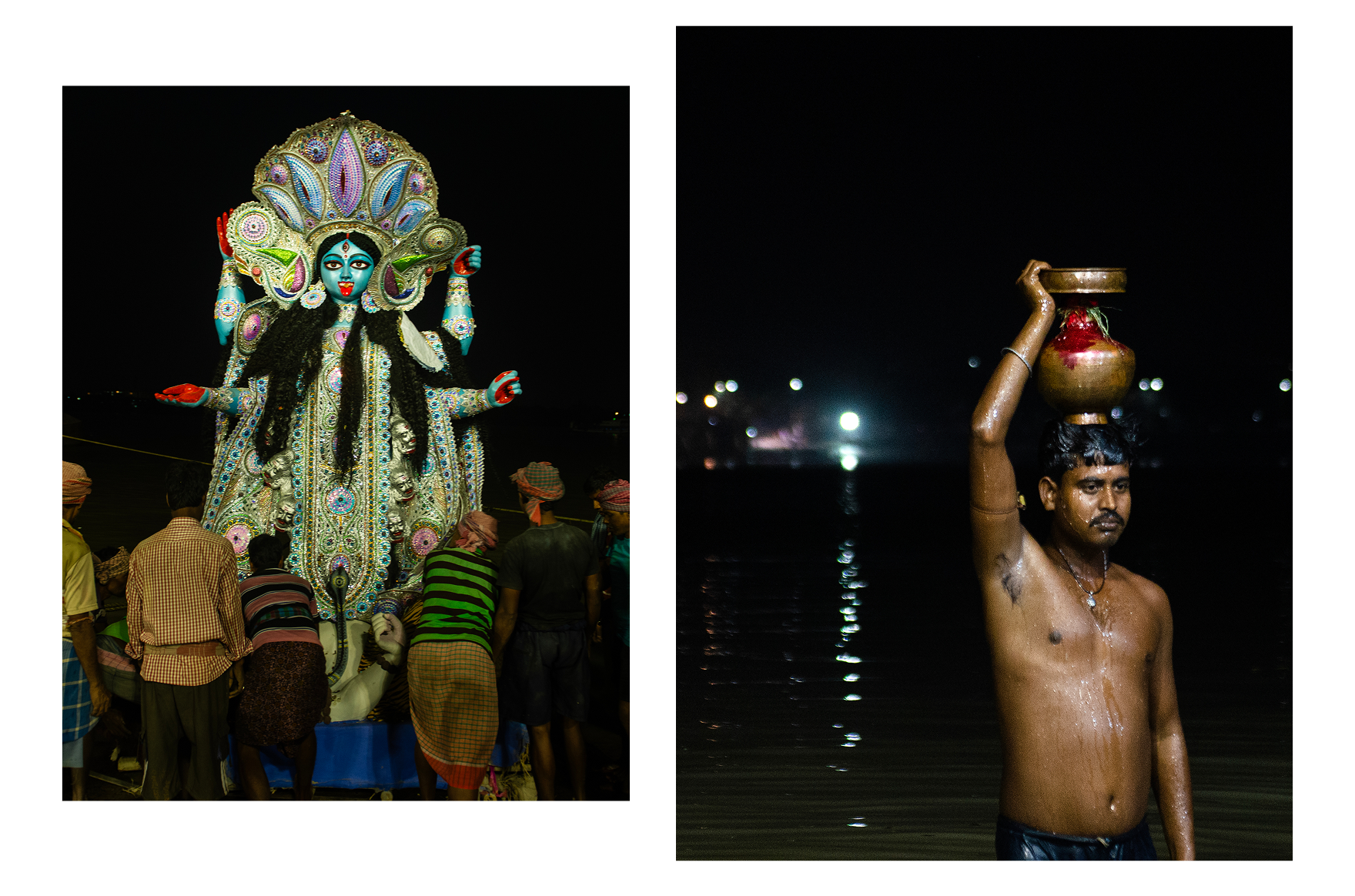
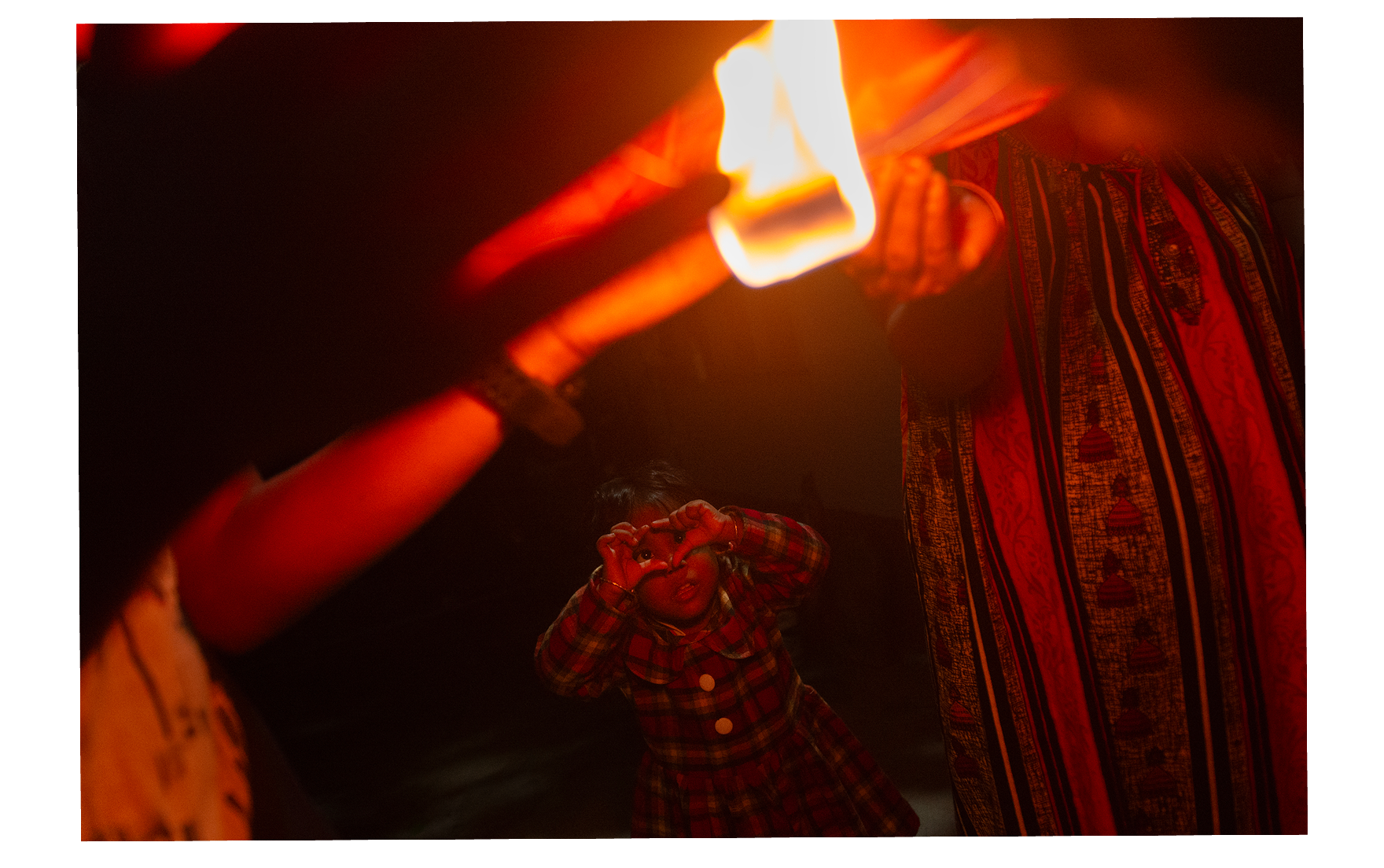
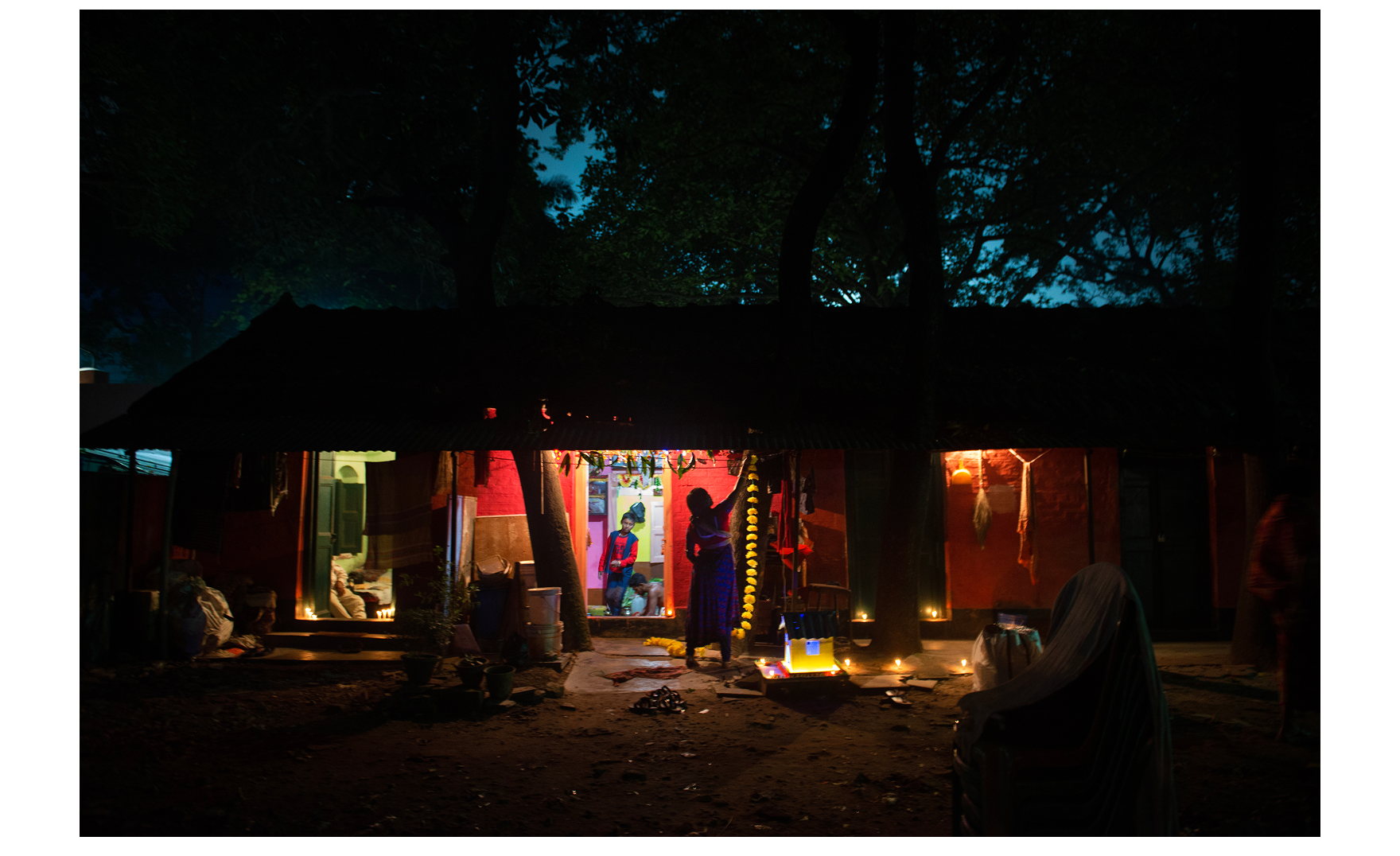
We chatted with Ranita about what the festivities look like to her. | | | | | | Ranita Roy, a Uttarakhand-based photographer, has been documenting the Hindu celebration of Diwali celebrations for 6 years. It is a time she spends with family, friends and the larger communities surrounding her. Diwali, also known as the Festival of Lights, is one of the most prominent festivals in India, when the streets are illuminated with candles, oil lamps and fireworks to mark Lord Rama's return to his kingdom after 14 years of exile. It symbolizes the triumph of good over evil. Celebrations, which present differently around the world, will begin on October 20, 2025. We chatted with Ranita about what the festivities look like to her. | | | What is special about photographing Diwali? "It is never just one thing - it's joy, devotion, contradiction and memory all happening together...For me, Diwali has always been inseparable from Kali Puja [celebrating the Hindu goddess of destruction and rebirth]. I grew up in a family where bringing the idol, decorating the space and gathering with neighbors were not just rituals but emotions that bound us together. Photographing it now, I move between being a participant and an observer, sometimes joining the celebration with family or strangers, other times stepping back to notice the smoke, noise and pollution that shadow the beauty of the lights." | | | What does Kali Puja involve? "My late grandfather was a priest at a nearby Kali temple, and I grew up hearing stories from my father about how he would worship a stone-carved Kali idol at home. For me...Kali transcends appearances. She represents ultimate knowledge, liberation and the divine feminine energy that embodies protection, power and compassion. I see Kali Puja not just as a ritual but as a celebration of womanhood and a way to spread joy through offerings and prayer. Living in Uttarakhand now, where Diwali is more widely celebrated than Kali Puja, I continue the tradition quietly with my own idol, keeping that connection alive within me." | | | What moments during Diwali pull you in? "The moments that pull me in are both intimate and expansive: my own family offering prayers, neighbors lighting diyas [small oil lamps, usually made from clay] for Lakshmi, a stranger's face glowing in the flicker of firecrackers or the quiet preparation of a woman decorating her home. Each frame feels like a threshold between stillness and radiance, belonging and encounter. Diwali is full of fleeting bursts - like firecrackers, they flare up with laughter and color, then dissolve into silence. With my camera, I try to hold onto that delicate in-between space, where joy, contradiction and memory live together." | What does Diwali mean to you in the India of 2025? "As I've grown older, my relationship with the festival of Diwali and Kali Puja has evolved. Six years ago, when I began working on [this series], I realized that the festival could be celebrated without firecrackers. Now I focus on lighting clay diyas that I can reuse, creating rangoli [colored chalk or powder designs] with friends and encouraging my family to celebrate in more mindful ways. The thick smog that lingers in the mountains after Diwali has made me more aware of the environmental costs, and having a dog, Satellite, has also made me sensitive to the harm caused by the noise of fireworks." | | | Don't leave without reading these | | | Photography credits: Ranita Roy for Lonely Planet | This email was sent to you by: | Lonely Planet Publications Ltd. | 1101 Red Ventures Drive, Fort Mill, SC 29707 | | | |