Africa's economic outlook • The white-collar job struggle • AI and religion • The next-gen robots -

The monday.com weekly

monday.com's take on the latest work trends - sent on Tuesdays

Inside this issue

  • Workplace trends
  • The AI corner
  • Listen to our latest podcast episode
  • Keeping motivation high in tough times
  • Water cooler chatter
  • Question of the week
  • Just for laughs
  • Follow the monday.com weekly on LinkedIn

Poverty

Africa's economic outlook is looking worse than ever

Despite a handful of African economies showing impressive growth, like Botswana, Mauritius, and the Seychelles, these success stories remain exceptions rather than the rule. While in 1960, the GDP per person in Africa was half the global average, today it's fallen to around a quarter, according to a special report by The Economist. Africans are expected make up more than 80% of the world's poor by 2030, up from just 14% in 1990. Foreign direct investment has fallen by about a third since 2021, and Western aid to the continent continues to decline. The report suggests that reversing this trend requires greater investment, more productive farms, and more effective governance. However, with widespread corruption and African elites showing complacency about their continent's future, economists are pessimistic about meaningful change taking place.


Employment

White-collar workers are struggling to secure new jobs

Despite surface-level strength in the job market, a closer look reveals that job postings per unemployed worker have halved since early 2022, with tech roles like software development and data science now 20% below pre-pandemic levels, according to Labor Department data. Job searches now stretch up to six months on average, a month longer than in early 2023, with long-term seekers up 50% since late 2022. The slowdown is most acute in high-paying sectors like law, tech, and media, which have cooled after their post-pandemic hiring sprees. In contrast, mining, manufacturing, and transportation remain steady, while healthcare and government work have generated more than half of all new positions in the past year.

Religion

AI is entering the pulpit

A growing number of religious leaders are experimenting with AI in their spiritual teachings, fostering a new industry of faith-based companies that offer AI tools ranging from theological research assistants to sermon-writing chatbots. While technology's impact on worship is not new - from the printing press to radio, television, and the internet - AI is carving out its own distinctive role, from translating sermons into multiple languages to instantly compiling relevant biblical expertise during religious research. That said, questions persist about how effective AI can be in this area, with some religious leaders emphasizing that their work fundamentally revolves around human connection and community building, which cannot be automated. As religious institutions navigate this technological frontier, they face the complex challenge of balancing innovation with the preservation of authentic spiritual experiences.


Adoption

Robots are making their first public appearance

AI robots, once confined to dark factories and warehouses, are now emerging in public spaces like retail stores and museums, interacting with humans through cooking, cleaning, and conversation. This shift is driven by improved capabilities and a surge in investments, with the AI robotics and drone industry attracting $12.8 billion in venture capital in 2024, surpassing 2023's total of $11.6 billion. While these new-gen robots still require significant improvements for stable interactions, experts say Generative AI is poised to revolutionize their abilities, enabling them to plan and adapt in real-world scenarios. This technology not only expands robots' presence beyond industrial settings - it also improves their functionality in everyday environments, paving the way for a new chapter in human-robot interaction.

Keeping motivation high in tough times

While the new year can feel like a fresh start, it may also bring considerable stress for your team members.


Post-holiday blues, heightened expectations, financial strain, and looming political developments are just a few external stressors your employees might be facing. And especially right now with the devastating California fires, a whole new layer of personal hardship has been unfolding, making it even more challenging to perform at work. These difficulties are often compounded by internal company factors, such as directional shifts, corporate restructuring, or ambitious team goals - all of which can significantly impact performance. As it is, 44% of employees feel burned out at work, according to a recent study by The Society for Human Resource Management.


Your role as a leader is crucial in navigating challenging times while still achieving business objectives. Striking a balance between empathy and effective task management can make you a catalyst for motivation and a model of resilience, even in the most turbulent times. And if you're successful at showing your employees how to work through stress, they're 21x more likely to be engaged, per a study by ADP Research.


So, how can you support your team through difficult periods while still maintaining strong performance?


Acknowledge stressors

Ignoring external challenges won't make them go away. Your team may be silently grappling with real concerns, and simply acknowledging what they're going through and making space for their feelings can alleviate much of their stress. You can do this by giving your employees time to express their feelings, whether in your one-on-ones or team meetings, to make it clear that it matters to you. Workers who feel cared for are 3.2x more likely to be happy at work, per LinkedIn's Employee Wellbeing Report, so these kinds of efforts not only alleviate tension, they also enhance satisfaction, reduce anxiety, and build trust between you and your team.


Reduce stress through structure

Sometimes the causes of stressors are beyond anyone's control, but creating structures to help your team manage their stress can make a significant difference. Since pressure often comes from a fear of the unknown, think about giving your team tangible touchpoints they can rely on. For example, if your team has undergone a restructuring and has had to take on more or different projects as a result, you can help alleviate stress by setting clear priorities and timelines and offering guidance and support whenever needed. This way, they understand what to expect and can feel a greater sense of control over how they manage their days.


Understand your employees' perspectives

In tough times, do your best to listen more and to ask thoughtful questions in a way that validates your team's experiences. For example, if your employee feels apprehensive about taking on a big assignment right now, try to get to the root cause of their stress. Do they feel inadequate? Does this project not support the direction they want to take their career in? Do they simply have too much on their plate? Take some time to try and understand the issues from their perspective so that you can respond accordingly and effectively help them navigate through whatever's causing their stress.


Set the right tone on your team

59% of employees report at least one mental health problem, per a McKinsey study, and many may not have the personal tools or resources to help themselves. As their leader, you can set the tone for stress management and healthy work-life balance by encouraging your team members to take breaks during the day to recharge and disconnect from work at reasonable times. On this note, try not to contact your employees after hours or while they're on vacation, as it sends conflicting messages. And no matter how ambitious your projects and goals might be, make it clear that well-being still needs to be prioritized. Remind your team that sick days are for physical or mental health-related issues and that if they feel they need a breather, they should make sure to use those days.


Show appreciation

When your team is under pressure, taking a moment to genuinely acknowledge their hard work can make a world of difference. Employees who are regularly recognized are 5x more likely to feel valued and appreciated, according to a joint study by Globoforce and WorkHuman. So, especially in more challenging times, be intentional about finding opportunities to celebrate the small wins and personal achievements that demonstrate their resilience. Whether it's a heartfelt thank you, a public shoutout in a team meeting, or starting your one-on-one with some words of gratitude, these simple gestures can remind them they are seen and supported and may replace some of their stress with positive sentiment.


The US Surgeon General is demanding cancer warnings on alcoholic beverages. Research shows that alcohol consumption increases the risk of at least seven types of cancer, including breast, colon, and liver cancer, yet most US consumers remain unaware of this connection. While implementing these changes would require legislative action by Congress to amend existing regulations, the Surgeon General's statement could pave the way for more stringent industry regulation, similar to measures taken with tobacco products.

"This advisory underscores alcohol use as a primary preventable factor for cancer in the United States, responsible for nearly 100,000 cancer diagnoses and approximately 20,000 cancer fatalities annually."

- Dr. Vivek Murthy, U.S. Surgeon General

Apple may have to pay $95 million to those accusing Siri of eavesdropping. The proposed settlement aims to resolve a five-year legal battle over claims that Apple covertly activated Siri to record conversations on iPhones and other devices, even without the "Hey, Siri" trigger phrase. While Apple denies any wrongdoing, if approved by the federal court, the settlement could allow tens of millions of Apple device owners to file claims for compensation.

"Apple settled this case to avoid additional litigation so we can move forward from concerns about third-party grading that we already addressed in 2019."

- Apple Spokesperson, to the BBC

Last week's answer: ~60%

To check out last week's question, click here

This week's question: Which country has the most coffee-loving workers, consuming the most cups per person?

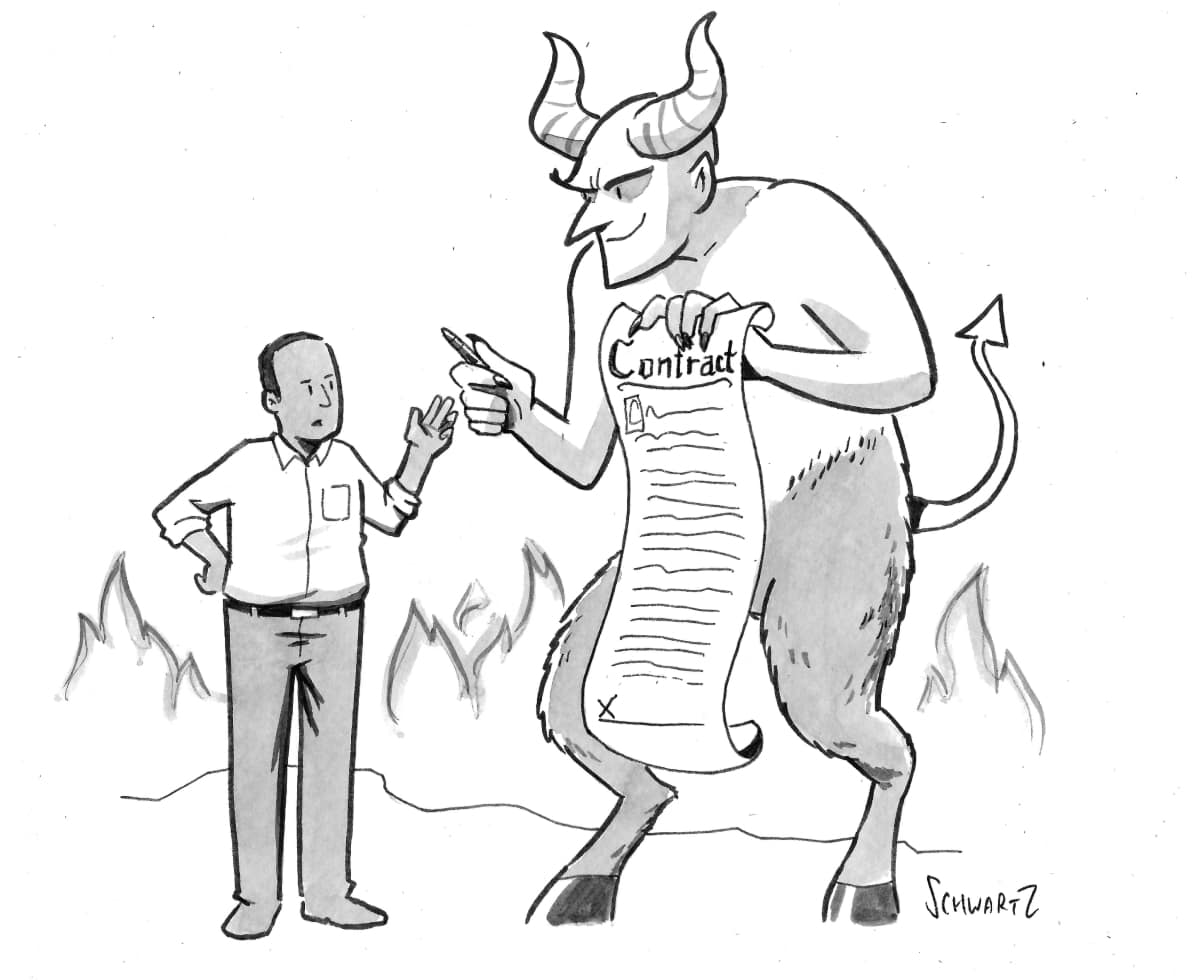
"The signing bonus better be worth it."

Your Email Title

To update your email notification settings, click here.

To stop receiving any marketing emails, unsubscribe here.


Want to manage your work on the go?

Download the monday.com mobile app


monday.com | 111 E 18th St, NY, NY, 10003, USA